Premium Economy Worth It? What You Actually Get for the Upgrade
Is premium economy worth it? That is the question most travelers ask the moment they see a fare that sits awkwardly between a cheap economy ticket and a four-figure business class seat. The honest answer: sometimes it is one of the best values in air travel, and sometimes it is a thin upgrade that is not worth triple digits. It depends on the route, the airline, and how much you care about a few extra centimeters of legroom.
Premium economy first showed up in the early 1990s, when airlines realized there was a whole market of fliers who would pay extra for comfort but could never justify business class. Today nearly every long-haul carrier sells some version of it, though the quality varies wildly. An Emirates premium economy seat and a bare-bones premium row on an older plane are barely the same product.
In this guide I will break down what you actually get, what it realistically costs, and how to tell whether the upgrade makes sense for your next flight.
What Premium Economy Actually Is
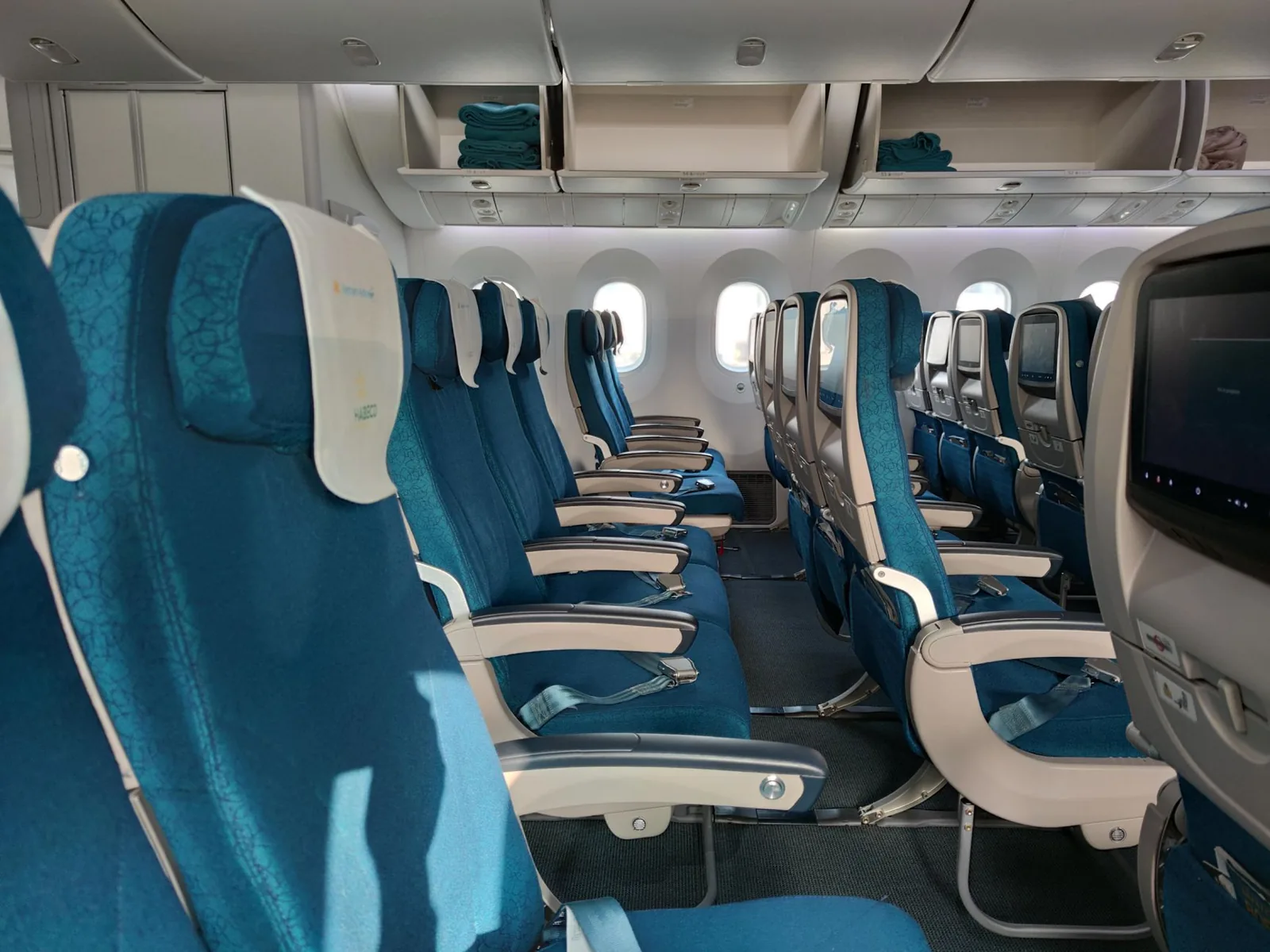
Premium economy is a distinct cabin class that sits between standard economy and business class. The key word is “distinct.” A premium economy seat is a physically different product from an economy seat, not just an economy chair with extra legroom bolted on. Most true premium economy cabins feature a wider seat, a more substantial recline, a legrest or footrest, and a dedicated cabin with fewer rows.
Here is what you can typically expect on a long-haul premium economy product:
- Seat width of roughly 19-20 inches, compared with 17-18 inches in standard economy on most widebody jets.
- Seat pitch of around 38 inches (the distance between seat rows) versus 30-31 inches in economy. That translates to noticeably more knee room.
- A deeper recline, often 7-9 inches, so you can actually sleep a little instead of nodding upright.
- Priority check-in and boarding, so you are not fighting for overhead bin space.
- A better meal, usually served on real plates with metal cutlery and a wider drink selection.
- A larger seatback screen, better headphones, and often a handy amenity kit.
- Extra baggage allowance on many airlines, frequently two checked bags instead of one.
The catch is that “premium economy” is not a standardized product the way business class largely is. Some airlines invest heavily in it, while others sell something closer to a glorified exit-row seat. Knowing the difference is the whole game.
Premium Economy Worth It? What You Get for the Money
The value question comes down to a simple trade: you pay somewhere between 1.5 and 2.5 times the economy fare for a moderately better place to sit. Whether that math works depends on the flight length and your tolerance for being uncomfortable.
On a one-hour hop, premium economy is almost never worth it. On an eight-hour transatlantic flight followed by a rental car pickup and a full workday, it often is. The longer and more overnight-heavy the flight, the more the extra recline and legroom matter.
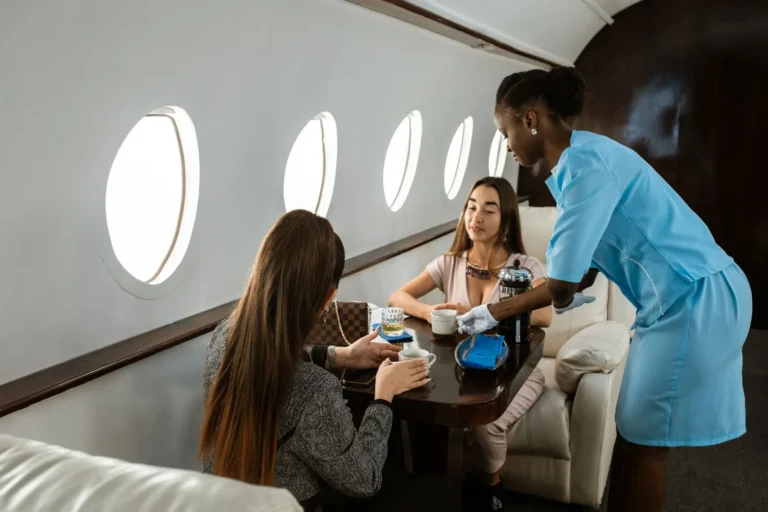
One underrated benefit is the cabin itself. Premium economy cabins are smaller and quieter, with often fewer families and less chaos than the main cabin. If you are a light sleeper or someone who dreads a seatmate’s elbow, the calmer environment alone can justify the cost.
Still, be skeptical of airlines that market “extra legroom seats” as premium economy. A main-cabin seat with four more inches of pitch is not the same thing as a dedicated premium cabin, even if the airline slaps a premium-sounding label on it.
Premium Economy vs. Standard Economy
If you are on the fence, a direct comparison helps. Here is how a typical true premium economy product stacks up against standard economy on a long-haul flight:
| Factor | Standard Economy | Premium Economy |
|---|---|---|
| Seat width | 17-18 in | 19-20 in |
| Seat pitch | 30-31 in | 38 in |
| Recline | 3-4 in | 7-9 in |
| Legrest/footrest | No | Often yes |
| Meals | Plastic tray, basic | Plated, upgraded menu |
| Boarding | Main cabin | Priority |
| Checked bag | 0-1 | Usually 2 |
| Price | Baseline | 1.5-2.5x economy |
The gap is real, but it is a gap of inches and amenities, not a transformation. If your goal is to arrive genuinely rested, premium economy gets you partway there; it does not get you the lie-flat bed that business class offers.
Premium Economy vs. Business Class
This is where most people lose the thread on value. Premium economy is often described as “halfway to business class,” but that framing overstates it. The jump from economy to premium economy is comfortable. The jump from premium economy to business class is large, and so is the price tag.
Consider a typical New York to London round trip: economy might run $600-900, premium economy $1,200-1,800, and business class $3,000-5,000. For roughly the cost of a premium economy ticket, you could buy two economy tickets. For the cost of business class, you could buy a premium economy ticket and still have enough left over for several nights in a good hotel.
If you can sleep sitting up reasonably well, premium economy is usually the smarter spend than a business class ticket price that can triple your fare. If you physically cannot sleep unless lying flat, no amount of “premium” will fix that, and business or first class flight cost becomes the only upgrade that matters.
What Premium Economy Actually Costs
Premium economy pricing is most consistent as a multiplier of the economy fare. Expect to pay:
- Short domestic flights (marketed seats): $30-120 extra, often just extra-legroom seats rather than a true cabin.
- Transatlantic (US to Europe): $1,200-1,800 round trip, versus $600-900 in economy.
- US to Asia or Australia: $1,800-2,800 round trip, versus $900-1,400 in economy — and here the value is highest because the flights are 14-plus hours.
- Upgrades at check-in: sometimes $300-700 one way, occasionally cheaper than buying the fare outright.
The cheapest path to premium economy is often a cash upgrade offered at check-in, not the fare you see when you first search. Airlines frequently roll out discounted upsell offers one to three days before departure to fill empty premium seats. If you are flexible, waiting for that email can save you hundreds versus last-minute flight deals on the base fare.
When Premium Economy Is Worth It
There are clear situations where premium economy pays for itself in comfort and sanity:
- Overnight long-haul flights where sleep quality determines how you feel for the first two days of a trip.
- Flights over 10 hours, especially to Asia, Australia, or South America, where the seat genuinely affects circulation and back pain.
- Tall or broad travelers who physically do not fit comfortably in a 17-inch economy seat.
- Travelers checking two bags, since the included baggage allowance can offset $100 or more of the upgrade cost.
- Work trips where you need to function the day you land.
When You Should Skip the Upgrade
Just as important is knowing when to keep your money:
- Short flights under five hours, where the discomfort is manageable and the upgrade is proportionally expensive.
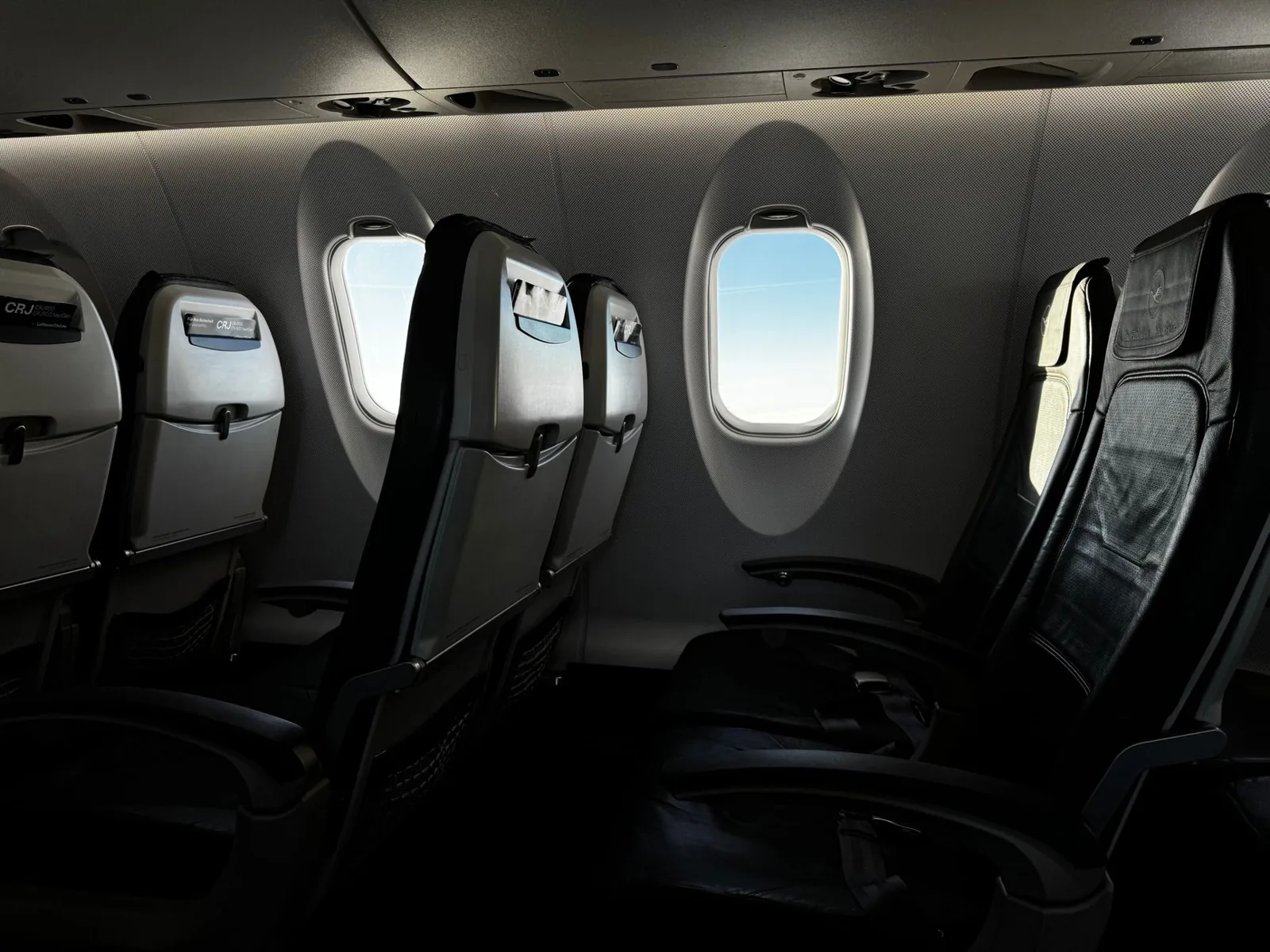
- Budget airlines whose “premium” is just extra legroom in the same cabin — you are paying for inches, not a better product.
- Daytime flights where you do not plan to sleep, since the biggest premium-economy benefit is the improved rest position.
- When the price gap is extreme, such as premium economy at 3x the economy fare with a genuine lie-flat business seat only slightly more.
The most common regret is paying a large premium for a seat that turns out to be a main-cabin seat with a curtain. Always confirm the product is a real separate cabin before you pay.
How to Book Premium Economy for Less
A few tactics reliably cut the cost of premium economy:
- Use points and miles. Premium economy awards are often priced only modestly above economy awards and can be an excellent use of points on programs like Aeroplan or a carrier’s own miles. If you are unsure how far your miles go, how much airline miles are worth weighs the options.
- Book the airline’s home route. Carriers price premium economy more competitively on their own hub routes, where they need to fill larger dedicated cabins.
- Watch for check-in upgrade offers. Discounted upsells before departure are frequently the cheapest way in.
- Set a fare alert on the specific premium economy Cabin rather than the lowest economy fare, so you track the price you actually want.
For current rates and deeper guidance, the research team at The Points Guy keeps regularly updated references worth bookmarking.
Frequently Asked Questions
Is premium economy worth it for an 8-hour flight?
For most people, yes on an overnight or long-haul flight of eight hours or more, especially if you are tall or need to sleep. On a daytime eight-hour flight where you do not plan to rest, the value drops.
What is the difference between premium economy and economy?
Premium economy is a separate cabin with a wider seat (about 19-20 inches), roughly 38 inches of pitch, a deeper recline, a footrest, better meals, priority boarding, and extra baggage. Standard economy is narrower with less legroom and basic service.
Does premium economy include lounge access?
Almost never. Lounge access is typically reserved for business and first class passengers, elite frequent flyers, and certain premium credit card holders. A few airlines offer paid lounge access for premium economy passengers, but it is rare.
Which airlines have the best premium economy?
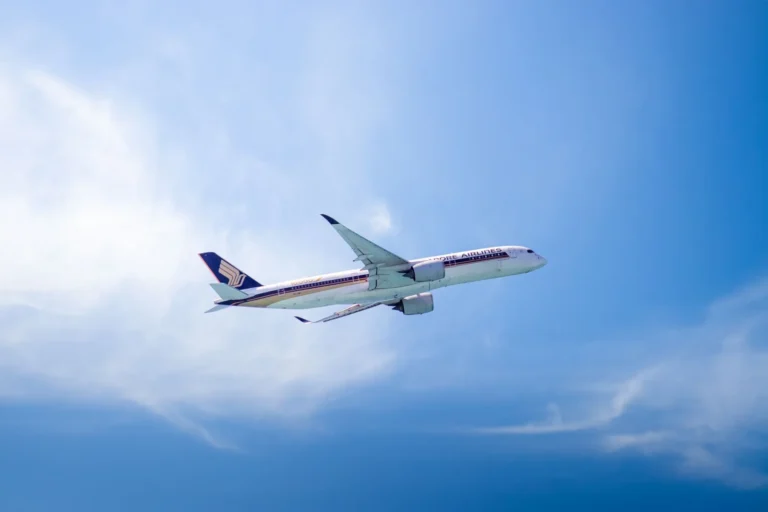
Singapore Airlines, Emirates, Air New Zealand, Qantas, and Delta are widely praised for their premium economy cabins, offering true separate cabins, real recline, and upgraded dining. British Airways World Traveller Plus and United Premium Plus are also solid.
Can you upgrade from economy to premium economy with miles?
Yes, on many airlines you can use miles to upgrade an economy ticket into premium economy, subject to fare class and availability. This is often one of the better-value uses of miles versus buying the seat with cash.
The Bottom Line
Premium economy worth it? For long-haul and overnight flights — and for anyone who does not fit comfortably in a standard seat — the answer is usually yes, and it is frequently the best value tier in the air. For short hops, budget-airline “premium” rows, or daytime flights where you will not sleep, skip it and keep the cash.
Before you book, confirm the airline is selling a real premium cabin rather than an upcharged economy row, compare the true cash or points gap against business class, and check upgrade offers in the days before departure. Do that, and you will rarely overpay for a better seat — or wonder afterward whether the upgrade was worth it.