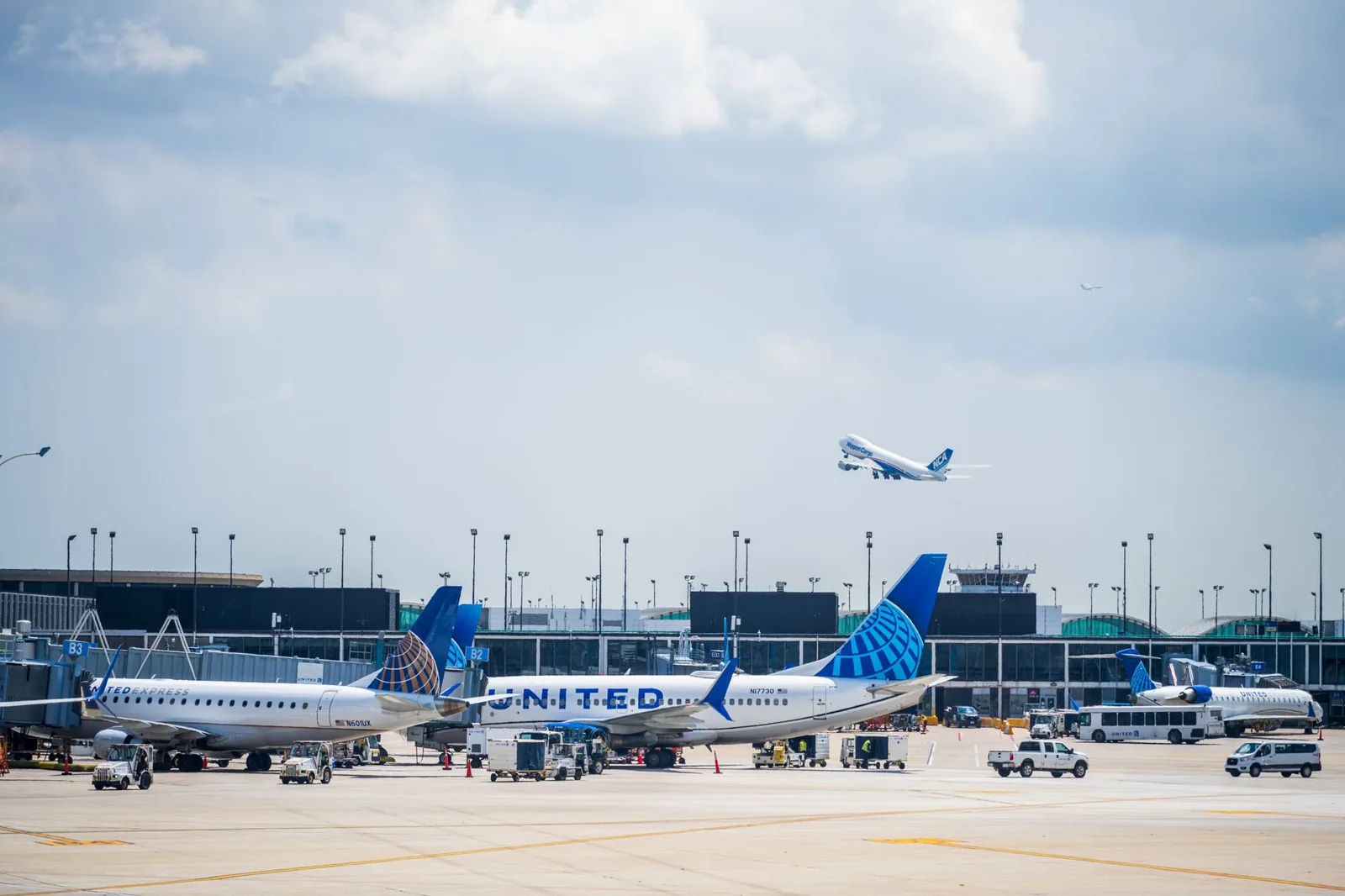
Airline Baggage Fee Comparison: What Each US Carrier Actually Charges
Baggage fees have quietly become one of the largest costs of flying. A $79 round-trip fare can easily turn into $170 once you add a checked bag each way, and that math gets worse for families. This airline baggage fee comparison breaks down exactly what Delta, United, American, Southwest, and the major budget carriers charge in 2026, so the total in your cart stops surprising you at checkout.
Related: read our guide here. Related: read our guide here.
The frustrating part is that few airlines publish these numbers in one place. Prices have risen sharply since 2018, when checked bags typically cost $25 and a carry-on was usually free. Today carry-ons are a paid item on several budget lines, and a single checked bag often runs $35 to $40 each way. In short, the airline baggage fee comparison below is the reference we wish every airline showed before you hit “book.”
How Baggage Fees Work
Before the numbers, it helps to understand the three fee categories airlines use, because they change what you actually pay.
- Carry-on bag. The roller bag in the overhead bin. Free on most full-service carriers, a paid add-on on budget airlines like Frontier and Spirit.
- First checked bag. The bag that goes under the plane. Usually $30 to $40 each way on legacy airlines in 2026.
- Second checked bag. Almost always more expensive than the first, typically $40 to $50 each way.
- Overweight and oversize bags. Bags over 50 lb (23 kg) or 62 linear inches trigger surcharges of $100 or more, on top of the base fee.
Baggage fees are charged per direction, not per trip. If your outbound costs $35 and your return costs $35, that is $70 on top of the fare — and it applies to every passenger in your party.
How to Avoid Paying Them
The single biggest money-saver is status or a co-branded credit card. Most airline cards waive the first checked bag for the cardholder and up to eight companions on the same reservation. Active-duty military also get free bags on virtually every US carrier. Flying internationally often includes a checked bag in the base fare, which is why the fee shock is usually a domestic problem.
Airline Baggage Fee Comparison: Major Carriers
The table below compares the first and second checked bag fees on the four largest US airlines and two leading budget carriers, as of 2026. Prices vary by route and when you pay, so treat these as the standard rates on typical domestic itineraries.
| Factor | Delta | United | American | Southwest | Frontier |
|---|---|---|---|---|---|
| First checked bag | $35 | $40 | $40 | $0 (2 free) | $69 (at gate) |
| Second checked bag | $45 | $45 | $45 | $0 | $75+ |
| Carry-on bag | Free | Free | Free | Free | $60–$75 |
| Cheapest way to avoid fees | Delta Amex card | United card | AAdvantage card | N/A (already free) | Pay online, not at gate |
A quick read on what these numbers mean in practice. Delta still charges a relatively modest $35 for the first bag, while United and American moved to $40 in 2024 and have held there. Southwest remains the outlier — it is the only large US airline with no fees for the first two checked bags, a policy it has kept even as rivals raised prices. Frontier’s model is the opposite: everything costs, and the fee you pay depends entirely on when and where you buy it. That $69 gate fee drops to roughly $33 to $45 if you add the bag online at booking.
Budget Carriers: Where Fees Get Expensive Fast
Frontier and Spirit are famous for $19 base fares, but the bag math quickly erases the savings. On Spirit, a carry-on added online typically costs $42 to $58 each way, and a checked bag runs $39 to $50. Add both and a “$19 flight” becomes a $100-plus ticket.
The pattern to remember with budget carriers is that fees are cheapest when you commit early. Here is the rough escalation on Frontier and Spirit:
- At booking (online): $33 to $58 depending on route
- At check-in online: usually $5 to $15 more
- At the airport counter: another jump, often $10 to $25 on top
- At the gate: the highest price, commonly $69 to $99
If you are comparing flights, do not compare base fares. Compare the full price with any bags you actually plan to bring. A $39 Frontier fare plus an $80 round-trip bag frequently costs more than a $149 Southwest fare with bags included. See our flight refund policy guide if a low fare tempts you into a non-refundable ticket you might need to cancel.
Baggage fees also shift by season and route. Alaska Airlines, not in the table, charges $35 for a first checked bag and $45 for the second. Hawaiian Airlines, for mainland flights, sits at $35 and $40. International routes on legacy carriers generally include at least one checked bag in the fare, so the fees above apply mainly to domestic and some short-haul international flying.
Carry-On Fees: The New Battleground
The fastest-growing fee category is the carry-on bag. Full-service airlines still include one free carry-on and one free personal item, but budget carriers have turned the overhead bin into a revenue line. This is the key takeaway from any airline baggage fee comparison you run this year: the carry-on is no longer guaranteed free.
A few things to understand about carry-on rules:
- Personal items are still free on nearly every airline, including Frontier and Spirit, as long as the item fits under the seat.
- Basic economy fares on United and American do not include a full-size carry-on — only a personal item, with a $35 to $65 surcharge if you bring a roller to the gate.
- Airline enforcement is inconsistent. Budget carriers pay gate agents bonuses for catching oversized bags, which is why the gate fee is the trap to avoid.
Booking basic economy to save $30 and then paying $65 for a carry-on is a common mistake. If you are weighing a splurge instead, our breakdown of business class ticket prices shows how quickly you can escape the basic-economy fee maze entirely.
What Baggage Fees Cost a Family in Practice
Numbers on a chart understate the real pain. For a family of four traveling round trip on United, each checking one bag and each carrying a roller, the math looks like this:
- 4 first checked bags each way: 4 × $40 = $160 per direction, $320 round trip
- 4 second checked bags each way: 4 × $45 = $180 per direction, $360 round trip (if needed)
- Carry-on bags: free on standard economy
A family checking a single bag per person pays $320 in baggage fees alone — often more than one person’s fare. On Frontier, the same family with carry-ons and one checked bag each could pay well over $500 in fees. This is why selecting an airline by base fare is the most expensive way to shop.
The cheapest fixes, in order of typical savings:
- Fly Southwest if the route works — two free checked bags per person cuts hundreds for families.
- Use a co-branded card that waives the first bag for the whole party.
- Pack lighter and fit a week’s clothes in a compliant personal item and one shared checked bag.
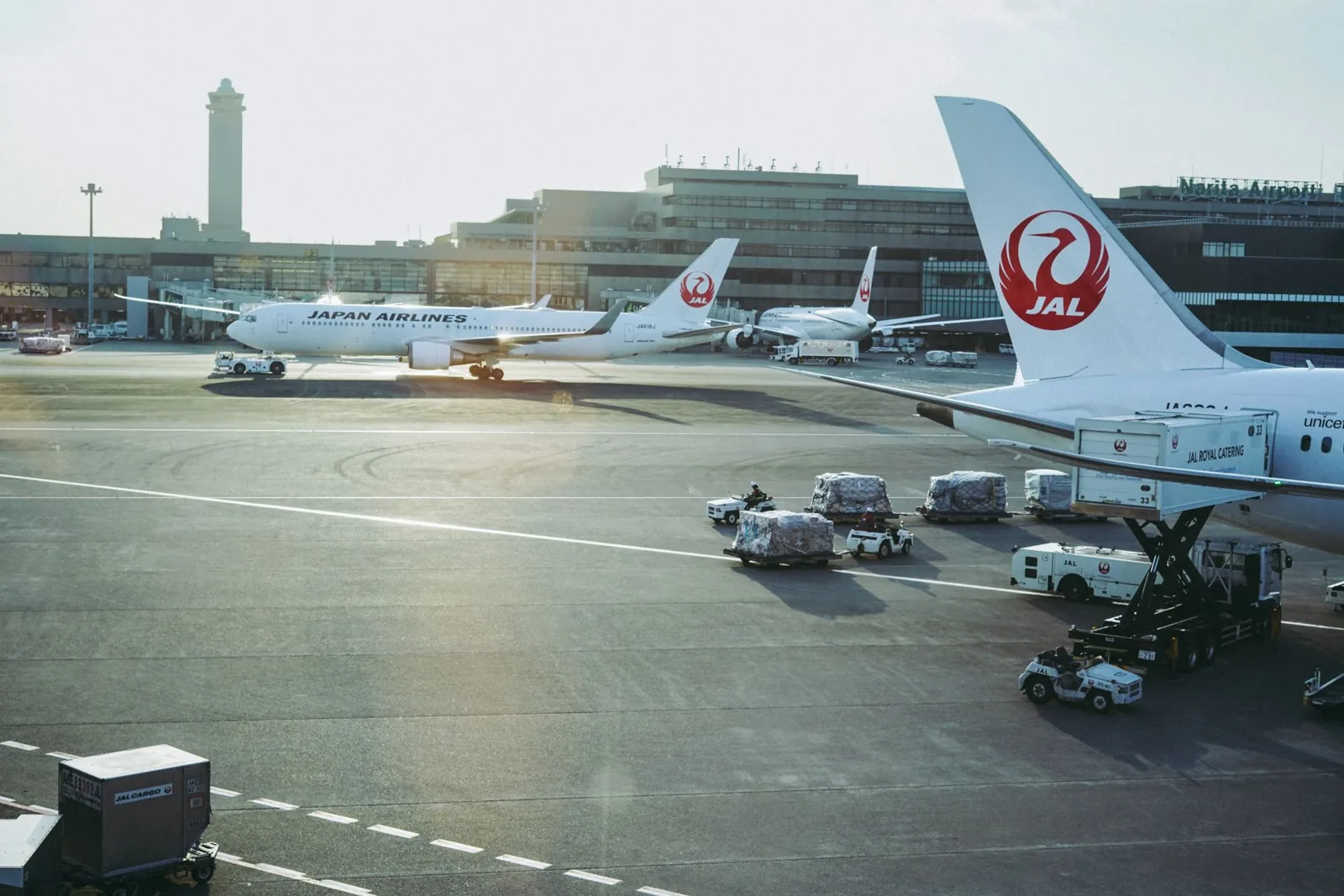
How to Read Fees Before You Book
Airlines bury bag fees in fine print, but a few habits make the total price visible before you pay. First, always run the booking past the “add a bag” step even if you think you will not need one — the checkout screen shows your real bag price for that exact route and date. Second, check fare class: basic economy changes both carry-on and checked bag rules. Third, bundle when you can. United’s and Frontier’s “bundle” fares fold a checked bag into a slightly higher fare that often beats paying separately.
Timing matters much less than it used to. American, United, Delta, and Alaska charge the same whether you prepay online or pay at the airport for the first two checked bags, though budgeting whatever you can pay ahead avoids a last-minute scramble. The exception is budget carriers, where prepaying is the single most effective way to cut the fee in half.
If a tight budget already pushed you to a non-refundable fare, last-minute flight deals can still save you on the next booking without sacrificing bag space.
For current rates and deeper guidance, the research team at The Points Guy keeps regularly updated references worth bookmarking.
Frequently Asked Questions
Which airline has no baggage fees?
Southwest Airlines is the only major US carrier with no fees on the first two checked bags, and it still includes carry-on bags for free. Frontier and Spirit charge for both checked bags and carry-ons on most fares.
How much is a checked bag on United in 2026?
United charges $40 for the first checked bag and $45 for the second on most domestic routes. Basic economy passengers do not get a free full-size carry-on and pay extra for one at the gate.
Do baggage fees apply to international flights?
Usually not on the first bag. Most legacy carriers include at least one checked bag on long-haul international routes, though basic economy fares sometimes still exclude it. Fees in this comparison apply mainly to domestic US flying.
Can I avoid baggage fees without a credit card?
Yes. Fly Southwest, earn elite status with any carrier, book a fare class or bundle that includes bags, or travel as active-duty military. Packing into a free personal item also eliminates fees on every airline.
Are carry-on bags still free?
On Delta, United, American, Alaska, and Southwest, a full-size carry-on is free in standard economy. It is not free in basic economy on United and American, and it is a paid item on Frontier and Spirit.
The Bottom Line
The honest airline baggage fee comparison is that legacy carriers cluster around $35 to $45 for a first checked bag, Southwest is the clear fee-free standout, and budget carriers will charge you far more than their headline fares suggest once bags enter the picture. Before you book any flight, add your bags at checkout and compare the total — not the base fare. A slightly pricier ticket with bags included usually beats a $19 fare with $120 in fees. Start by checking your credit card’s baggage perks, then decide whether Southwest or a bundle fare saves you the most on your next trip.