Red Eye Flight vs Day Flight: Which One Should You Book?
The red eye flight vs day flight question comes up every time a traveler stares at two fares for the same route and can’t decide. One leaves at 11 p.m. and lands at sunrise. The other leaves in the morning and lands the same evening. Both get you there. What they cost you in money, sleep, and time is very different.
A red eye flight is any overnight departure, usually between 9 p.m. and 1 a.m., that lands early the next morning. The name comes from exactly what you’d expect: passengers step off the plane with tired, red eyes. A day flight is the standard 6 a.m. to 6 p.m. window most of us book without thinking.
Neither is objectively better. The right answer depends on your budget, how well you sleep on planes, what you plan to do on arrival day, and whether you’re flying short-haul or long-haul. Here’s how to pick.
What Is a Red Eye Flight?
A red eye is any scheduled departure late enough that you fly through the night. Most U.S. airlines run their peaks between 9:30 p.m. and 12:30 a.m. on domestic routes like New York to Los Angeles, Miami to Seattle, or Chicago to San Francisco, then land between 5 a.m. and 8 a.m. local time.
Red eyes exist for two reasons. First, airlines can squeeze more daily utilization out of a single aircraft by flying it while most people sleep, which is why a plane that shuttled between New York and Florida all afternoon can be repositioned to the West Coast overnight. Second, many business travelers and price-conscious leisure flyers actively want them, so carriers fill the demand.
Airlines that run heavy red eye schedules include Delta and United on their hubs, JetBlue and Alaska on transcontinental routes, and American out of Phoenix and Las Vegas. Internationally, you’ll see the same pattern on flights from the U.S. East Coast to Europe (New York to London departing 9-10 p.m.), which routinely arrive at Heathrow or Charles de Gaulle by late morning.
Red Eye Flight vs Day Flight: The Key Differences
To cut straight to it, the deciding factors shake out like this:
| Factor | Red Eye Flight | Day Flight |
|---|---|---|
| Typical fare | 10-20% cheaper on the same route | Full price, more competition |
| Departure window | 9 p.m. to 1 a.m. | 6 a.m. to 6 p.m. |
| Cabin crowd | Quieter, fewer kids, emptier middle seats | Busier, more families and groups |
| Sleep quality | Hard to get real REM sleep in economy | Normal day rhythm, arrive awake |
| Arrival | Early morning, full first day ahead | Same evening, mostly used up |
| Jet lag risk | Higher eastbound, lower westbound | Lower but still real long-haul |
| Delays | Fewer, airports are empty at night | More, peak-hour congestion |
The price gap is the headline most shoppers notice first. Search the same route on a booking site and the 11 p.m. departure often undercuts the 8 a.m. by a real margin. On transcontinental routes, that can mean $80 to $150 less in economy. On long-haul international, the spread can reach $200 or more because daytime slots are scarce and priced accordingly.
The trade-off is straightforward: you save money, but you pay in sleep and next-day fatigue, especially if you can’t actually doze in economy.

What a Red Eye Costs vs What a Day Flight Costs
Let’s look at concrete numbers, because “cheaper” without figures doesn’t help you plan a budget. These are typical published round-trip economy fares, not sale prices, and they move constantly, so check live prices before you book.
New York (JFK) to Los Angeles (LAX) — a red eye can price around $260-340 round trip, while the comparable daytime nonstop often runs $340-420. The overnight is consistently the cheaper of the two.
Boston to San Francisco — red eyes from JetBlue or United frequently land in the $300s, against $400+ for prime daytime departures.
London to New York on the return leg — the overnight eastbound redemption and cash fares can be the least popular, so you’ll sometimes find the 10 p.m. departure for $100+ under the midday flight.
The savings are not free. Landing at 6 a.m. means your hotel room is unlikely to be ready until 3 p.m., which forces you to either pay an early check-in fee (often $25-75), book the previous night, or kill eight hours with luggage. If you do the math on that, a $100 fare saving can shrink fast for travelers who can’t check in early.
Day flights, for their part, rarely need that arithmetic. Land at 4 p.m., and check-in is waiting for you. For more on timing your bookings around price drops, see last-minute flight deals.
How Each Option Affects Your Sleep and Energy
Sleep is the single biggest differentiator, and it’s worth being honest about what happens at cruising altitude. Even travelers who sleep well at home struggle at 35,000 feet. Cabin noise hovers around 75-85 decibels, comparable to a running vacuum cleaner, and economy seats recline just enough to promise comfort without delivering it.
On a red eye, most people do not reach deep or REM sleep anyway. What they get is a series of light dozes interrupted by seat-belt announcements, snack service, and the neighbor’s reading lamp. Landing at dawn means starting your destination day on 3-4 hours of broken rest, and the rest of that day is spent fighting a fog that caffeine can only partly fix.
On a day flight, you board rested, and the plane journey is simply daytime hours you were going to be awake for anyway. You arrive the same evening, settle into the hotel, and sleep in a real bed that first night. Your internal clock barely shifts on domestic routes.
There’s a catch on direction. Flying west is generally kinder on the body, while flying east, especially across many time zones, throws your circadian rhythm out of sync. A red eye doesn’t automatically equal worse jet lag, but it can amplify it on eastbound long-haul routes where you lose time. For detail on the compensation side if a long delay wrecks the schedule you were protecting, read flight delay compensation rules.

When a Red Eye Flight Makes Sense
A red eye isn’t a compromise for everyone. In several situations it’s genuinely the smart move.
You want a full first day. Land at 7 a.m. and you’ve got an entire day at your destination. For a city break where your trip is only two or three days, that’s a meaningful chunk of usable time a day flight would burn in transit.
You’re traveling westbound. New York to California, or the U.S. to Asia, follow the body’s natural tendency to stay up later, so the overnight is easier to tolerate.
You need to be there for an early meeting. Business travelers book the 10 p.m. flight specifically so they can be in a client’s office by 9 a.m. without paying for an extra hotel night the night before.
You’re on a strict budget. If the goal is the cheapest possible fare and you can nap anywhere, the red eye is usually the lowest price on the board.
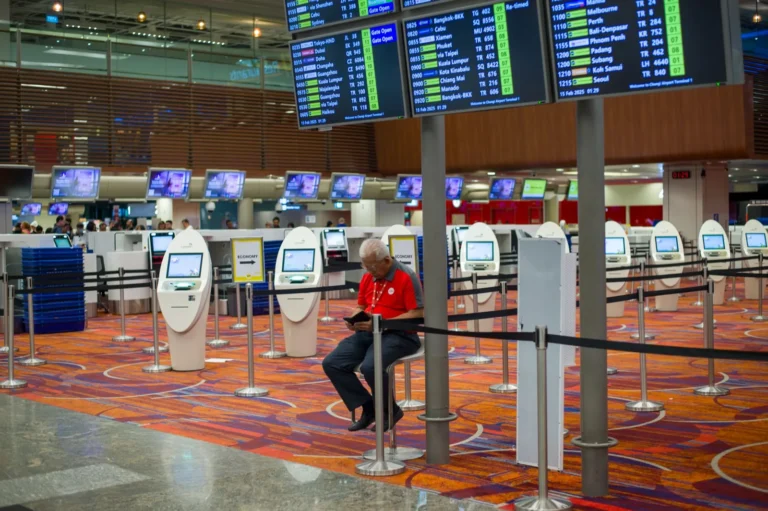
You hate crowds. Night flights depart after most of the airport has cleared out. Security lines are shorter, gate areas are calmer, and more middle seats sit empty.
When a Day Flight Is the Better Choice
Just as often, the daytime flight wins.
You can’t sleep on planes. If you arrive wrecked from a red eye and lose your first day to a hotel nap, you’ve paid for the flight with time instead of money. A day flight lets you arrive functional.
You’re traveling with kids. Young children don’t do well being woken at a strange hour to catch a flight, and an overnight in a cramped cabin is a recipe for a miserable morning for everyone within earshot.
You have a connection or ground travel ahead. Landing at 6 a.m. and then driving two hours, or sitting through a long layover on no sleep, compounds the fatigue. A day flight gets you there on your own clock.
You can check in right away. Land in the evening and head straight to your room. There’s no luggage limbo and no fee to occupy your room early.
If your plans involve non-refundable bookings that a schedule change might derail, know what you’re entitled to before you commit — flight refund policy walks through the basics.
One more practical point: day flights have far more frequency. Miss the single daily red eye and your options collapse to one. Miss a daytime departure and there’s usually another flight in a couple of hours.
For current rates and deeper guidance, the research team at The Points Guy keeps regularly updated references worth bookmarking.
Frequently Asked Questions
Are red eye flights always cheaper?
Usually, but not always. On heavy-business routes where companies are willing to pay a premium for the early-morning arrival, red eyes can price close to or above daytime fares. On leisure-heavy routes like New York to Florida or transcontinental westbound, the overnight is consistently the cheapest.
Do red eye flights have more delays?
The opposite. Night departures mostly leave after the day’s peak congestion has cleared, and late-night and early-morning flights historically run closer to schedule than afternoon ones. The busiest delay window is late afternoon into evening, when thunderstorms, ground holds, and cascading crew timeouts peak.
Is a red eye flight bad for you?
Not in any medical sense, but the sleep disruption is real. One night of broken plane sleep won’t hurt a healthy adult long-term; what it does do is make your first destination day noticeably less productive. If you already run a sleep deficit, an overnight flight makes it worse rather than better.
How do I sleep on a red eye flight?
Book the window seat so you aren’t climbed over, bring a travel pillow and a good eye mask, skip the heavy in-flight meal and alcohol, and either use earplugs or noise-canceling headphones. Reducing the cabin noise is the highest-impact change for most people.
Is a red eye worth the money you save?
Only you can answer that, but the test is simple: if you land and lose most of the day to exhaustion, the $100 you saved bought you a tax on your own trip. If you can hold it together until evening, the red eye is free money and a bonus morning.
The Bottom Line
Run the red eye flight vs day flight math through three questions: Can I sleep on a plane? Do I value money or time more on this trip? And do I need to be functional the morning I land? If you can nap anywhere and want the lowest fare with a full first day, book the overnight. If you can’t sleep sitting up, are traveling with kids, or need to hit the ground rested, pay the premium for a daytime flight and stop second-guessing it.
There’s no wrong answer on the board, only the wrong answer for your body and your budget. Match the departure to the way you actually travel, not the way you wish you traveled, and the fare difference stops mattering. Compare today’s live prices on both options before you lock in, and book whichever one your sleep schedule — and your wallet — can actually live with.