Resort vs Airbnb: Which Is Better for Your Next Vacation?
The resort vs airbnb question comes up on almost every vacation I plan, and the honest answer is that neither one wins across the board. A beach resort in Cancun and a two-bedroom Airbnb in the same town solve different problems, at different prices, for different travelers. The trick is matching the stay to your group, your budget, and how you actually spend your days.
In this guide I’ll walk through real price ranges, the fees nobody shows you at checkout, and the trade-offs on service, space, and cancellation terms. By the end, you’ll know which side of the resort vs airbnb decision fits your next trip.
What a Traditional Resort Actually Includes
A resort is a self-contained property built for people who want the vacation handled for them. The base rate usually bundles a lot more than a bed and a bathroom.
- Daily housekeeping. Someone makes the bed, swaps towels, and empties the trash every day without you lifting a finger.
- On-site dining. One or more restaurants, plus room service. At an all-inclusive, food and drinks from those venues are part of the rate.
- Pools, gyms, and beach access. Loungers, umbrellas, towel service, and often a swim-up bar or kids’ club.
- A front desk. A human answers the phone at 2 a.m., reprints a key, or arranges a late checkout.
- Activities. Snorkel huts, tennis courts, evening shows, and kids’ programs staffed by the property.
The trade-off: you pay for all of it whether you use it or not. If you plan to spend nine hours a day off-property, you’re subsidizing a buffet and a swim-up bar you never touch.
What an Airbnb Actually Includes
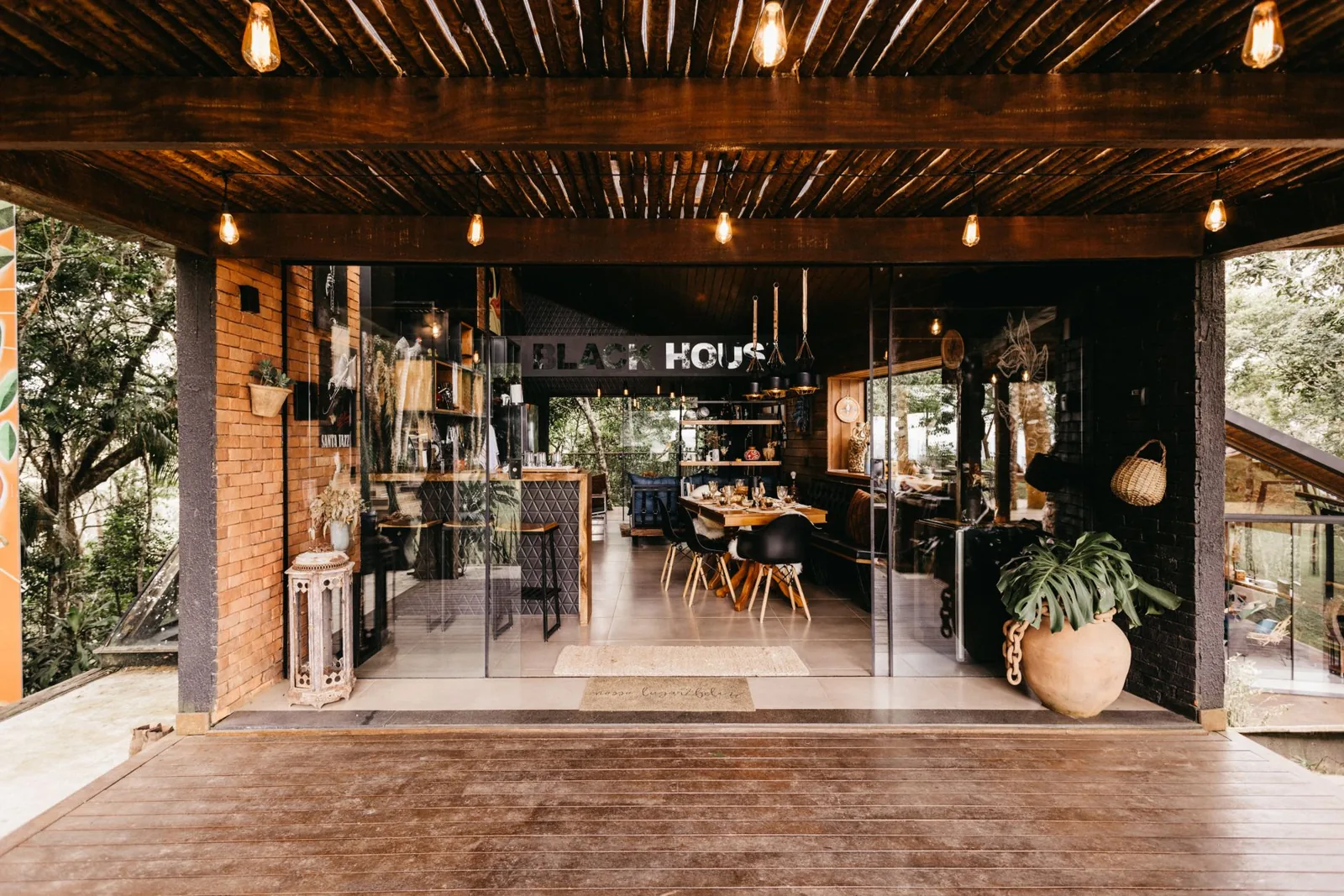
An Airbnb is closer to renting someone’s home, and what you get varies wildly by listing, host, and even neighborhood.
- A full kitchen. Cook breakfast and store groceries, which can cut food costs dramatically on a weeklong stay.
- More space per dollar. A two-bedroom condo usually costs less per night than two resort rooms.
- Local location. Airbnb puts you in residential blocks near grocery stores, cafés, and transit rather than a resort corridor.
- Laundry in the unit. A washer and dryer looks like a luxury after day six of a beach trip.
- Nothing else guaranteed. Housekeeping, a pool, and even reliable wi-fi depend entirely on the host and the listing photos.
The range is enormous. A shared room might cost $30 a night; a designer villa with a private pool might run $1,200. The listing, not the brand, sets the experience.

Resort vs Airbnb: Comparing the True Cost
Sticker price is where most people make the wrong call. A resort room at $220 a night and an Airbnb at $180 a night can end up costing very different amounts once every fee lands on the bill.
| Factor | Traditional Resort | Airbnb |
|---|---|---|
| Typical nightly rate (mid-range) | $180–$350 for a standard room | $120–$280 for a full apartment |
| Cleaning fee | Rarely charged separately | $40–$150 per stay |
| Resort fee | $20–$60 per night, often hidden | None, though some condos add a front-desk fee |
| Taxes | 10–18% depending on the destination | Similar, plus host-added service fee of ~14% |
| Food flexibility | On-site restaurants only | Full kitchen, grocery-store prices |
| Parking | $15–$45 per night at many resorts | Often free or included |
That Airbnb “cleaning fee” is the one that trips people up. A $150 cleaning fee on a two-night stay adds $75 per night to the math and can wipe out the price gap entirely. On a ten-night stay, the same fee is a rounding error.
Run the numbers per person, not per room. Four adults in a $250 Airbnb apartment split the rate to $62.50 each. Putting those same four adults in two resort rooms at $220 apiece costs $110 each before a single resort fee.
If you want the full breakdown on those sneaky daily charges, I’ve written a separate post on what a resort fee actually costs and how to avoid paying it.
Service, Cleanliness, and Consistency
Resorts win on predictability. A Marriott, Hilton, or Hyatt property across the street from an identical one is still delivering roughly the same bed, the same towels, and the same housekeeping standard. If something goes wrong, you call the front desk and it gets handled within the hour.
Airbnb quality swings from five-star to “the photos were from 2018.” The platform’s review system helps, but a 4.7-star listing can still have a musty bathroom, thin walls, or a host who takes eight hours to answer a message.
The rule I use: if the trip is short, expensive, or non-negotiable in comfort — a honeymoon, a conference, a one-night layover — book the resort. The downside risk of a bad Airbnb is smallest when the stay is long enough that you can absorb a hiccup and recover.
Space, Privacy, and Kitchen Access
For families and groups, this is where Airbnb pulls ahead hard. Two rooms with no shared living area gets old by day three. An apartment with a living room, a dining table, and bedrooms with closing doors gives everyone somewhere to retreat.
The kitchen is the real money lever. A family of four can eat breakfast at the rental for $5 a head instead of $20 a head at a resort restaurant. Over a seven-day trip, that’s $420 saved on breakfast alone before you even count packed lunches.
The counterargument is real, too. A resort kitchen means a restaurant kitchen you didn’t have to stock, cook in, or clean. For a two-night weekend, that convenience is worth more than the savings.
Safety, Cancellation Policies, and Support
Both options are safe in the overwhelming majority of cases, but the safety nets differ.
- Resorts: staffed 24/7, security on property, and near-instant refunds or rebooking if a room is overbooked or dirty.
- Airbnb: guest screening and review systems, but you’re often letting yourself into a residential building with no front desk and no one on site.
- Cancellations: resort flexible rates routinely let you cancel until 24–72 hours before check-in. Airbnb hosts set their own policy, from lenient to strict, and “strict” can mean you lose everything but the cleaning fee if you cancel inside a two-week window.
Travel insurance changes this math. A solid policy with trip-interruption coverage reimburses you for prepaid nonrefundable stays when a covered reason ruins the trip — and the claims process is often smoother with a resort invoice than with a host’s handwritten confirmation. Our hotel cancellation policy guide walks through the fine print.
One more thing to check: some Airbnb bookings are nonrefundable even within the platform’s grace period, while most hotel chains give you a free 24–48 hour window after booking.
When a Resort Makes More Sense
Book the resort when one of these is true:
- You’re traveling solo or as a couple without kids and mostly want to relax on-site.
- The trip is under four nights and there’s no time to cook or settle in.
- You want an all-inclusive experience — meals, drinks, and activities in one price. An all-inclusive resort vs a standard Airbnb isn’t even a fair fight when the goal is zero planning.
- You value a gym, daily housekeeping, and a human at the front desk.
- You’re celebrating something (anniversary, honeymoon) where a bad room would ruin the trip.
When an Airbnb Makes More Sense
Book the Airbnb when these fit:
- You’re a family or group of 3+ who want bedrooms, a kitchen, and a living room.
- The stay is a week or longer and the cleaning fee spreads out.
- You want to cook and live like a local rather than eat every meal out.
- You’re in a destination where good hotels are scarce or overpriced, like a national-park gateway town.
- You travel with a pet, need laundry, or want a workspace rather than a hotel desk.
For bigger groups comparing a whole-home rental against multiple hotel rooms, my villa vs hotel cost breakdown runs the per-head numbers in detail.
For current rates and deeper guidance, the research team at U.S. News Travel keeps regularly updated references worth bookmarking.
Frequently Asked Questions
Is a resort or Airbnb cheaper?
For a couple on a short trip, a modest hotel or resort room is usually cheaper once you factor in Airbnb’s cleaning and service fees. For groups of three or more staying a week or longer, an Airbnb almost always wins per person because you split one rate and cook your own meals.
Are Airbnb cleaning fees negotiable?
Not usually, but you can message a host before booking and ask. Some long-stay hosts will cut or waive the fee for multi-week bookings. Nothing is guaranteed until you see it in the final price breakdown.
Is Airbnb safe for families?
Mostly, yes. Filter for “Superhost,” read the recent reviews rather than the overall rating, and avoid listings with no interior photos or a brand-new host with zero reviews. Resorts still offer more on-site supervision for kids.
Do resorts cost more because of resort fees?
Often, yes. A resort fee of $20–$60 per night doesn’t show up in the headline rate and can add $140–$420 to a weeklong stay. Always check the final, tax-inclusive price before comparing against an Airbnb.
Can I get my money back if I cancel an Airbnb?
It depends entirely on the host’s policy, which ranges from fully refundable to nonrefundable. If flexibility matters, filter Airbnb results by “free cancellation” before you browse.
The Bottom Line
The resort vs airbnb decision comes down to two questions: who’s traveling, and how long you’re staying.
Short trips, couples, and anyone who wants the vacation handled for them — book the resort. You pay a premium for housekeeping, dining, and a front desk, and on a three-night stay it’s usually the better value.
Groups, families, and weeklong stays — book the Airbnb. One kitchen and a shared living room beat two cramped hotel rooms almost every time, and the savings compound the longer you stay.
Before you commit either way, run the all-in total for both options on your exact dates. The sticker price lies; the final bill doesn’t. If you’re still weighing all-inclusive stays against comparable hotels, my all-inclusive resort vs hotel comparison and our rundown of all-inclusive resort packages can settle it.