Emergency Medical Evacuation Insurance: What It Covers, Costs, and How to Buy It
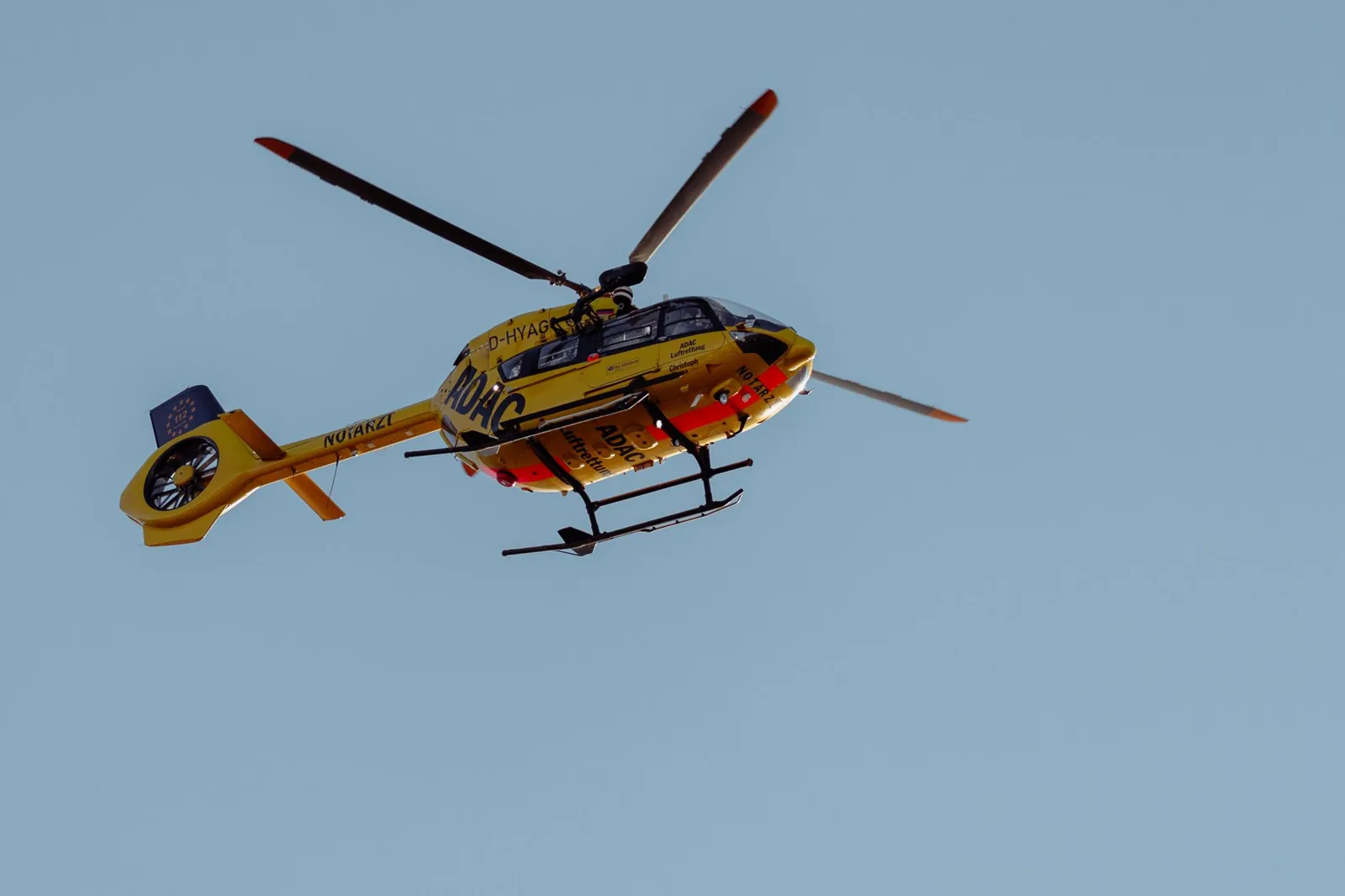
A standard travel medical policy pays your hospital bill. It rarely pays to get you out of that hospital and back to care you trust. That gap is exactly what emergency medical evacuation insurance exists to fill, and it is the single most underpriced line in a travel protection plan. If you break a femur on a ski slope in the Andes or have a stroke on a cruise in the middle of the Atlantic, an air ambulance home can cost more than your entire trip — often more than $100,000.
Here’s the uncomfortable math. A medical flight from the Caribbean back to the mainland US typically runs $25,000 to $50,000. A long-haul medevac from Southeast Asia or sub-Saharan Africa, with a nurse and full ICU equipment on board, can hit $150,000 to $250,000. Your regular health insurance — even a good one — usually covers none of that outside the country. For roughly the price of a couple of airport beers per day of a trip, you can remove that risk entirely.
This guide breaks down what the coverage actually includes, what it quietly excludes, how much it costs in 2026, and where to buy it without overpaying.
What Is Emergency Medical Evacuation Insurance?
Emergency medical evacuation insurance is a benefit — usually bundled inside a travel insurance policy, and sometimes sold as a standalone medical-transport membership — that pays to move you to an appropriate medical facility when the care you need isn’t available where you are. “Evacuation” here does not mean fleeing a war zone; it means medical transport: an air ambulance with a flight nurse, a medically staffed charter jet, or a commercial seat with a medical escort.
It kicks in when local care is inadequate. That word, inadequate, does most of the work. An evacuation is approved when the treating physician and the insurer’s medical team agree that the facility you’re in can’t properly handle your condition, and that moving you — within the same country or back home — is medically necessary.
How It Differs From Standard Travel Medical Insurance
Travel medical insurance and evacuation coverage are routinely confused, often because they’re sold in the same policy. They do different jobs:
- Travel medical insurance pays for doctors, drugs, hospital stays, and surgery while you’re abroad.
- Emergency medical evacuation insurance pays for the transport itself — the plane, the medical crew, the equipment — to get you to a facility that can actually treat you.
- Repatriation coverage, which usually rides along, pays to fly your body home if you die abroad, and sometimes to fly a family member to your bedside.
A policy with $50,000 of travel medical coverage and $500,000 of evacuation coverage is not unusual. The evacuation limit is usually far higher than the medical limit, because transport is where the truly catastrophic costs live.
What Emergency Medical Evacuation Insurance Covers
The exact list varies by insurer, but a solid policy covers the following:
- Air ambulance or medically equipped jet to the nearest adequate hospital, or back to a hospital near your home, at the insurer’s discretion.
- Medical escort — a doctor or flight nurse who travels with you on a commercial flight when you’re stable enough not to need a dedicated jet.
- Ground ambulance transfer at both ends of the flight.
- Repatriation of remains, including embalming, a casket, and shipping, if you die during the trip.
- Bedside visit: round-trip airfare and lodging for one family member if your hospitalization exceeds a set number of days (often five to seven).
- Return of dependents: flying your minor children home, with an escort, if you’re hospitalized.
- Return of a travel companion when you’re evacuated and they’d otherwise be stranded.
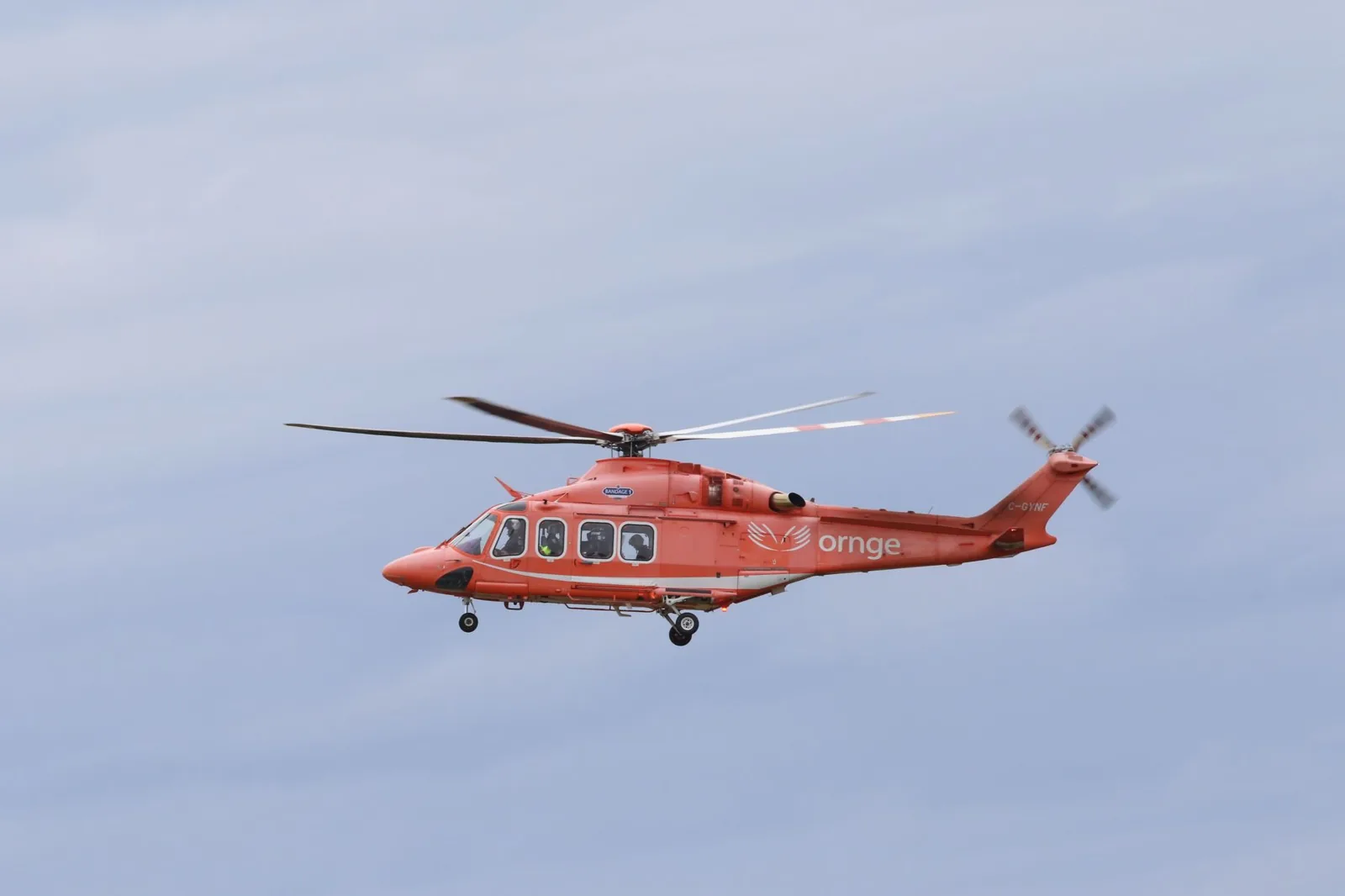
The single most important phrase in your policy is not the dollar limit — it’s “to the nearest adequate facility.” Some cheaper policies will transport you only to the closest hospital that can treat you, even if that’s still thousands of miles from your home country. Better policies give the insurer the option to fly you home, but rarely the obligation. If flying you all the way back to the US is non-negotiable for you, that’s a reason to look at a medical-transport membership, covered below.
What It Doesn’t Cover
Knowing the exclusions matters as much as knowing the coverage, because the denials in this product tend to be expensive. Typical exclusions include:
- Evacuations you arrange yourself. Call the insurer’s 24/7 assistance line first, always. Book your own medevac and most policies will refuse to reimburse it — and the transport company will want payment up front.
- Pre-existing conditions that were unstable or untreated when you bought the policy, unless you have a pre-existing condition waiver. Related reading: our guide to travel insurance for existing medical conditions.
- Elective or “non-emergency” transport. If the insurer’s medical team decides commercial travel with a nurse escort is adequate, they won’t pay for a private jet just because you want one.
- Extreme or high-risk activities — mountaineering above a certain altitude, backcountry skiing, skydiving, and other adventure sports unless you buy a specific rider.
- Treatment at the destination after you’re evacuated. Evacuation covers the ride, not the surgery waiting at the other end.
How Much Emergency Medical Evacuation Insurance Costs
The good news: this is among the cheapest high-value insurance you can buy. As a bundled benefit inside a comprehensive travel insurance policy, the incremental cost is often close to zero — evacuation is simply included. Standalone memberships cost a flat annual fee regardless of your trip count.
Here’s what you can expect to pay in 2026:
| Option | Typical Cost | Evacuation Limit | Best For |
|---|---|---|---|
| Evacuation rider in a travel policy | $25–$60 per trip (often bundled) | $250,000–$1,000,000 | Occasional, single-trip travelers |
| Medjet (annual membership) | $99–$315 per year | Hospital-of-choice transport home | Travelers who insist on going home, not just “adequate” care |
| Global Rescue (annual membership) | $129–$455 per year | $500,000+ with field rescue | Adventure and remote-destination travelers |
| Standalone evacuation-only policy | $20–$50 per trip | $100,000–$500,000 | Budget travelers on short trips |
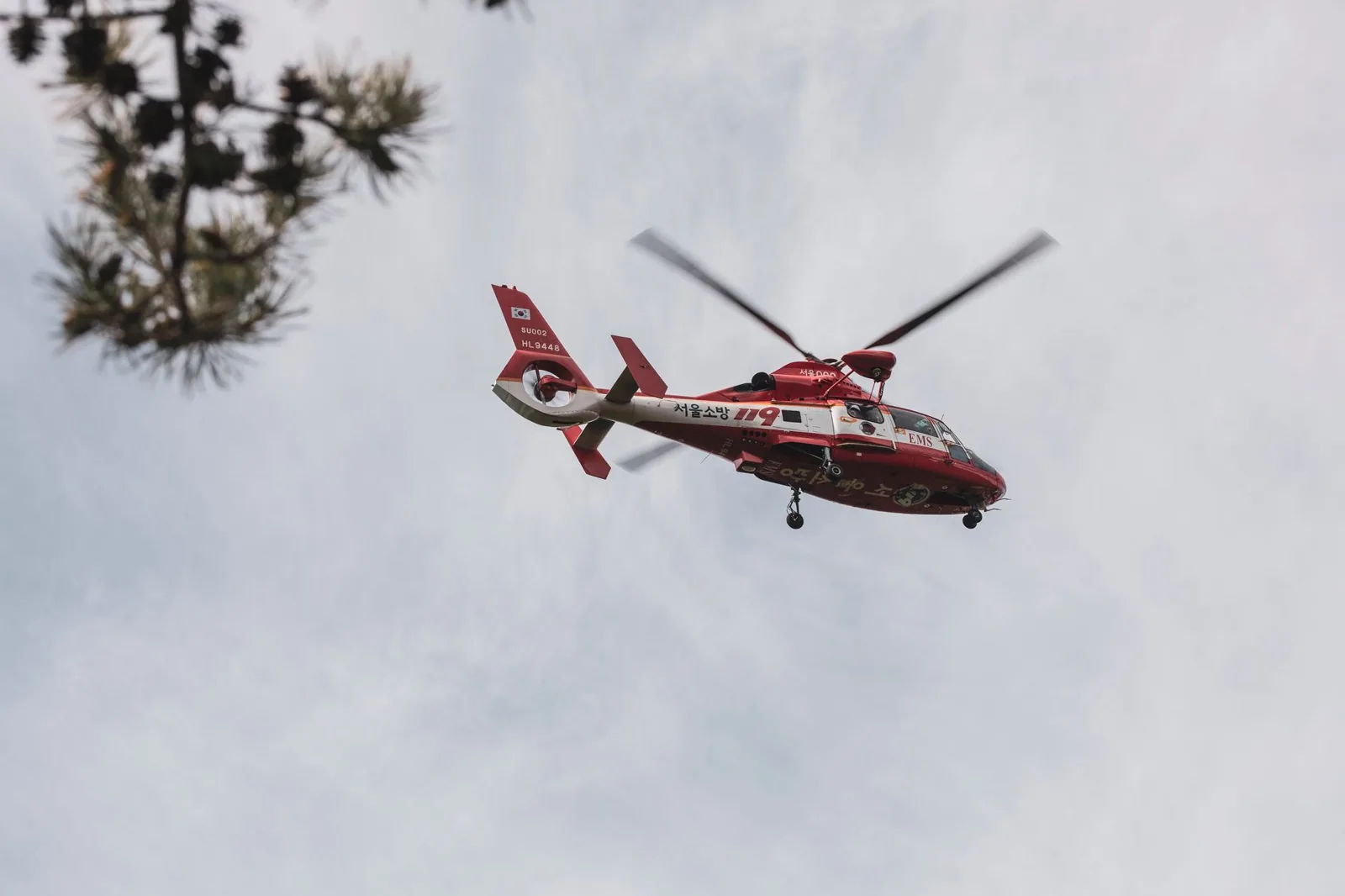
For comparison, the thing being insured against — a long-haul air ambulance — costs six figures. Paying $40 to insure a $250,000 transport is why actuaries call this a bargain and why evacuation coverage is included so freely in comprehensive policies.
One nuance worth understanding: Medjet and Global Rescue are memberships, not insurance. They promise transport to the hospital you choose — typically back home — while a standard policy only promises transport to an adequate facility. Many serious travelers carry both: a standard policy for the medical bills, and a Medjet-style membership for the right to come home rather than be treated “adequately” abroad. If you take multiple trips a year or travel to places with weak hospitals, that combination is worth a look — annual multi-trip travel insurance is the cheapest way to keep base coverage in place all year.
Where to Buy It
You have three main routes:
- Comprehensive travel insurance — the simplest path. Providers like Allianz, Travelex, Seven Corners, and World Nomads build evacuation coverage into nearly every plan, typically with limits of $250,000 to $1,000,000. When comparing plans, check the evacuation limit the same way you’d check the medical limit. Our best travel insurance for international travel roundup walks through which providers lead on this specific line.
- Standalone evacuation memberships — Medjet and Global Rescue are the two best-known. They’re the right pick when returning to your home hospital is the priority, or when you already have decent travel medical coverage through a credit card and just want the transport layer.
- Premium credit cards — cards like the Chase Sapphire Reserve and some American Express Platinum variants include evacuation coverage of $100,000 to $500,000 as a benefit. Read the fine print: card evacuation benefits are often more limited than a real policy, with stricter rules about pre-authorization and what counts as “necessary.”
Who Needs It Most
Not everyone needs a beefed-up evacuation layer. But several groups are essentially uncovered without one:
- Cruisers, who can fall ill days from the nearest land and be unable to offload at a small port hospital. A dedicated cruise travel insurance plan will carry evacuation limits sized for a medevac off a ship, which is among the most expensive operations there is.
- Remote-destination travelers — safaris, the Himalayas, the Amazon, Antarctic cruises — where the nearest adequate hospital is hundreds of miles or an ocean away.
- Older travelers and anyone with health conditions, for whom a bad turn abroad is statistically likelier and for whom “adequate” local care may not be an acceptable answer. See travel insurance for seniors over 70 for how age changes the math.
- Adventure-sport travelers, who should both buy the activity rider and confirm the evacuation limit, since a ski accident in the backcountry is precisely the scenario that triggers a six-figure air ambulance.
For current rates and deeper guidance, the research team at NerdWallet keeps regularly updated references worth bookmarking.
Frequently Asked Questions
Does regular health insurance cover medical evacuation?
Almost never outside your home country. Medicare provides essentially no international coverage, and most US private plans either exclude international care entirely or reimburse you later at out-of-network rates — which won’t help when a transport company demands payment before they’ll fly you.
How much does a medical evacuation cost without insurance?
A domestic air ambulance in the US averages $12,000 to $25,000. An international long-haul medevac runs $50,000 to $250,000 depending on distance and crew. Repatriation of remains typically costs $5,000 to $30,000.
Is evacuation coverage included in standard travel insurance?
Usually, yes — most comprehensive policies bundle it automatically, often with limits between $250,000 and $1,000,000. But the limit and the “adequate facility” definition vary, so compare it deliberately rather than assuming.
What’s the difference between Medjet and regular evacuation coverage?
Standard insurance transports you to the nearest adequate hospital. Medjet transports you to the hospital you choose, usually your hospital at home, provided you’re stable enough to fly. Medjet is a membership program, not insurance, and doesn’t pay medical bills.
Can I buy emergency medical evacuation insurance after I’ve already started my trip?
Rarely. You generally must buy before departure, and many membership programs require you to be a certain distance from home before coverage activates. Buy it when you book the trip, not after the first symptom.
The Bottom Line
Emergency medical evacuation insurance is the cheapest insurance against the most expensive travel disaster you’ll hopefully never face. Eight in ten comprehensive policies include it already, so your first job is simple: verify the limit and read the “adequate facility” language before you buy. If going home — not just to the nearest capable hospital — matters to you, layer a Medjet or Global Rescue membership on top for the price of one dinner out per year.
Compare a few plans, confirm the evacuation limit is at least $500,000 for long-haul or remote trips, and keep the insurer’s 24/7 assistance number saved in your phone. That number, called before anyone books a medevac, is what turns a piece of paper into a working escape plan. For help picking the right policy for your specific situation, start with our best travel insurance for international travel comparison — and don’t board without the evacuation line sorted.