Adventure Travel Insurance Coverage: What It Protects (and What It Won’t)
Most standard travel insurance policies quietly exclude the exact things you booked the trip to do. A routine yearly policy will reimburse you for a canceled flight and a stolen bag, but the moment you clip into a harness, strap on a dive tank, or leave the groomed piste on skis, that same policy typically refuses to pay. Adventure travel insurance coverage exists to close that gap — and it matters more than most travelers realize, because evacuation off a remote mountain in Nepal or a reef dive gone wrong in Mexico can easily cost five figures out of pocket.
The tricky part is that “adventure” means different things to different insurers. One company might call scuba diving an adventure sport and charge extra; another might cover it free up to a certain depth and exclude everything deeper. That means you can’t just tick a box labeled “sports coverage” and assume you’re safe. You have to read what’s actually listed, and you have to match it to the specific activities you intend to do.
This guide covers what adventure travel insurance coverage actually includes, what it routinely excludes, what it costs, and how to pick a policy that will genuinely pay out if something goes wrong.
What Does Adventure Travel Insurance Coverage Actually Include?
At its core, an adventure policy is a standard travel insurance policy with a sports or adventure rider bolted on. That rider widens the definition of “covered activity” beyond the everyday, and — more importantly — it extends the two most expensive benefits to your adventure activities: emergency medical care and emergency evacuation.
The most valuable part of adventure travel insurance coverage is usually not the trip-cancellation benefit. It’s the medical evacuation benefit. If you take a fall while trekking the Annapurna Circuit, the nearest adequate hospital can be a helicopter ride and several days of transport away. A medical evacuation from the Himalayas or the Andes routinely runs between $15,000 and $100,000 depending on the country, the remoteness, and whether a helicopter is required. Adventure plans typically cover evacuation limits of $100,000 to $500,000, and that single line item is the reason the coverage exists.
Here’s what a solid adventure policy should include for your activities:
- Emergency medical treatment for injuries sustained during a covered adventure activity, including ambulance transport.
- Emergency medical evacuation to the nearest appropriate hospital, and sometimes repatriation back to your home country.
- Search-and-rescue costs in some policies, though this is far less common than people assume and often has a strict sub-limit.
- Gear coverage — some insurers reimburse lost, stolen, or damaged activity equipment like dive regulators, climbing racks, or surfboards, typically with a sub-limit around $500 to $1,500.
- Trip cancellation and interruption that works when an injury on a trip prevents you from finishing the trip you paid for.
- Accidental death and dismemberment coverage, usually a set payout amount rather than a medical benefit.
Activities Standard Travel Insurance Excludes
To understand why adventure coverage exists, it helps to know what a basic policy leaves out. Standard travel insurance is built around the assumption that you are doing low-risk things — sightseeing, eating, riding in taxis, swimming at a resort beach. Sport is either excluded entirely or covered only in a watered-down form.
Activities that standard policies typically exclude or limit include:
- Scuba diving below a certain depth (often 18 to 30 meters, or any depth at all without a diving certification).
- Bungee jumping, skydiving, paragliding, and hang gliding.
- Mountaineering above a set altitude, commonly 4,500 to 6,000 meters.
- Off-piste or backcountry skiing and snowboarding, and sometimes heli-skiing entirely.
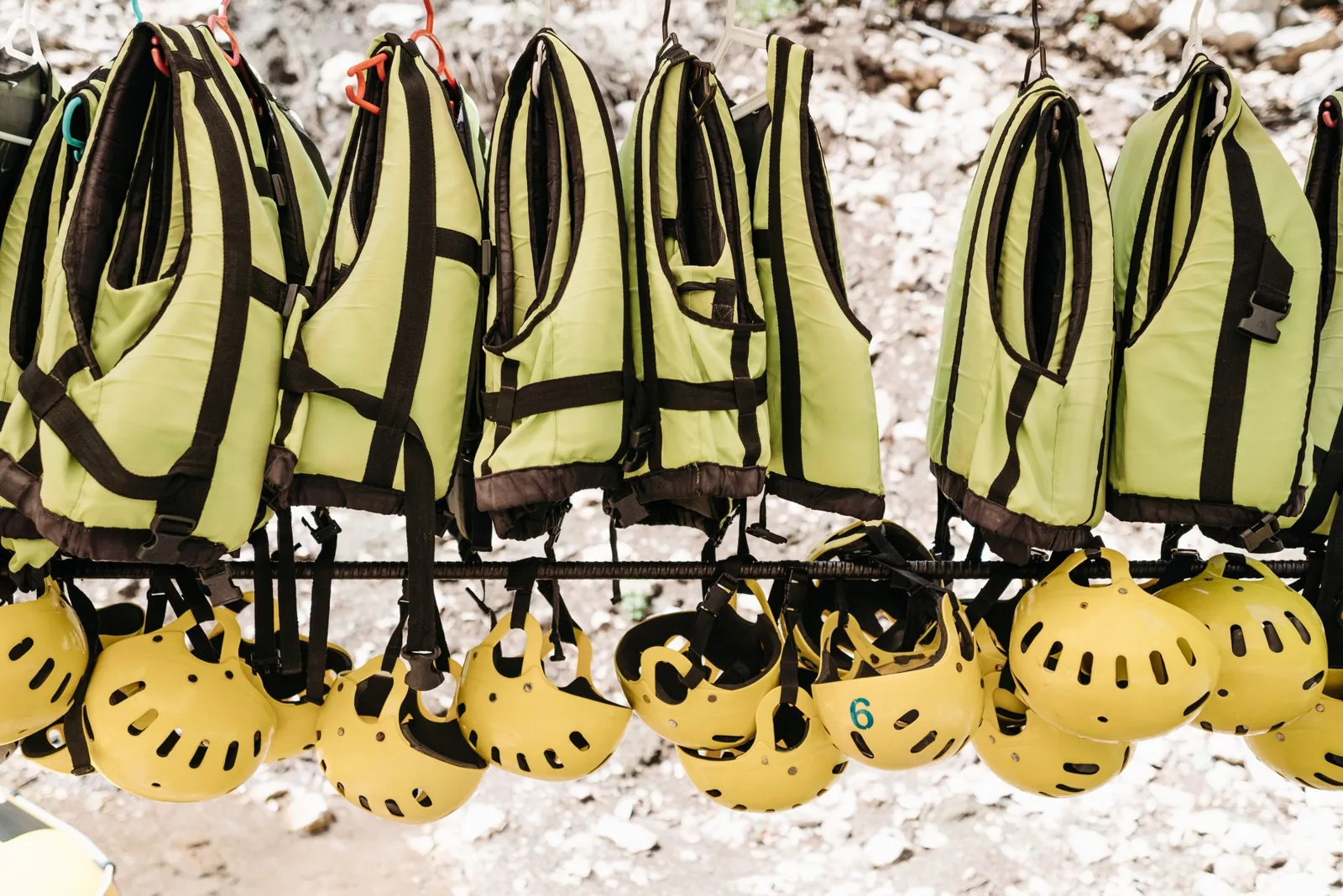
- Whitewater rafting above a certain class, usually Class III.
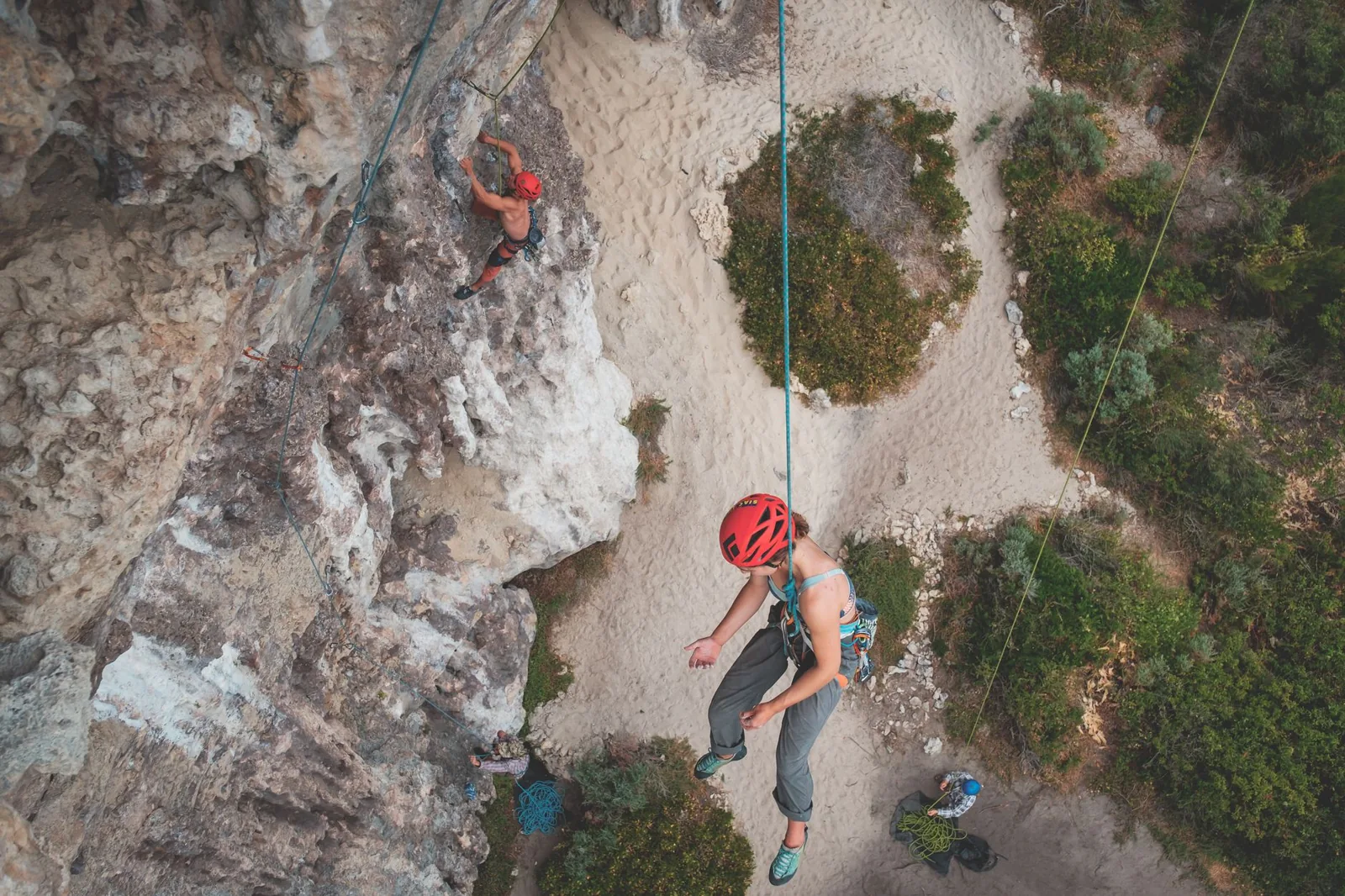
- Rock climbing, canyoning, and caving.
- Motorized sports like ATV riding, dirt biking, or snowmobiling.
- Surfing, kiteboarding, and windsurfing, depending on the insurer.
This is the exact list you should compare against your itinerary before buying. If you plan to dive to 30 meters on a liveaboard in the Maldives and your policy caps covered diving at 18 meters, you are not covered where you’re actually going — and a decompression-sickness treatment in a hyperbaric chamber costs several thousand dollars on its own.
How Much Adventure Travel Insurance Costs
Adventure coverage is not expensive relative to what it pays for, but the price varies a lot by age, destination, trip length, and — most of all — the activities you declare.
As a rough rule, an adventure rider adds $5 to $15 per day on top of a standard policy. That means a two-week trip that might cost $80 to $120 for basic coverage could run $150 to $250 once you add sports coverage. Travelers over 60 or 65 will pay noticeably more, and older travelers doing high-altitude or high-risk activities may struggle to find coverage at all.
| Factor | Standard Policy | Adventure Policy |
|---|---|---|
| Typical daily cost | $5–$8 per day | $10–$20 per day |
| Medical coverage limit | $50,000–$100,000 | $100,000–$500,000 |
| Evacuation limit | $100,000–$250,000 | $100,000–$500,000+ |
| Covered activities | Low-risk only | Declared adventure sports |
A few real-world reference points: World Nomads, which is built for backpackers and adventurers, adds sports coverage as an optional upgrade on top of its standard plans. SafetyWing’s Nomad Insurance is cheaper — often around $45 to $56 every four weeks for a traveler under 40 — but its adventure coverage is limited, so it suits casual trips more than dedicated expeditions. For high-risk or high-altitude trips, specialty providers like Global Rescue and Ripcord offer evacuation-only memberships that you can stack on top of a travel policy for extra depth protection.
How to Pick the Right Adventure Travel Insurance Plan
Buying adventure coverage is mostly a matching exercise: list your planned activities, then find the policy whose written terms actually cover them. Here’s how to do it in practice.
First, write down every risky activity on your itinerary before you start shopping. “I might go hiking” is not the same as “I’m doing a three-day high-altitude trek to 5,600 meters.” Be specific, because the insurer’s definition is what controls the payout.
Second, check the depth, altitude, and class limits for any activity that has them. Diving, mountaineering, and rafting are all graded on numbers. If your trip exceeds the limit, either buy the optional upgrade that raises it or acknowledge you’re going uninsured for that portion.
Third, confirm whether search and rescue is included. This is the single most misunderstood benefit. Many travelers assume helicopter rescue is covered because evacuation is covered. It often isn’t. In places like Nepal or the Alps, a mountain rescue can bill you thousands regardless of your policy, so know whether your plan has a search-and-rescue sub-limit and how big it is.
Finally, read the exclusions for alcohol and drugs, and for being under the influence at the time of the injury. A surprising share of adventure injuries involve a drink or two first, and clauses excluding coverage when you were intoxicated are routinely enforced. If your idea of adventure includes a night out before a morning dive, check how your policy treats that.
Adventure Insurance vs. Your Credit Card Coverage
One common mistake is assuming a premium travel credit card covers adventure sports. Cards like the Chase Sapphire Reserve and the Amex Platinum do carry solid trip-cancellation and luggage benefits, but they almost universally exclude adventure activities, and — more importantly — they offer little or no medical coverage and essentially no emergency evacuation. Card coverage is built for buying tickets and hotels, not for rescuing you off a mountainside.
A better pairing is to use the card for the trip-cancellation and purchase protections it does well, then buy a dedicated adventure policy for the medical and evacuation side you actually need. That way you’re not paying twice for the same benefit, and you’re not accidentally uninsured where it counts.
For current rates and deeper guidance, the research team at NerdWallet keeps regularly updated references worth bookmarking.
Frequently Asked Questions
Does standard travel insurance cover adventure activities?
No, in most cases it does not. Standard policies exclude or sharply limit sports like scuba diving, mountaineering, skydiving, and off-piste skiing. You typically need an adventure or sports rider added on, or a standalone adventure plan from an insurer like World Nomads.
How much does adventure travel insurance cost?
Expect to add roughly $5 to $15 per day on top of a standard policy, so a two-week adventure trip might cost $150 to $300 total depending on your age, destination, and the specific activities you declare.
What’s the most important benefit in an adventure policy?
Emergency medical evacuation. A helicopter rescue or repatriation from a remote destination can cost $15,000 to $100,000 or more, and it’s the benefit you’re least able to self-insure if it’s missing.
Does adventure insurance cover scuba diving?
Sometimes — but only up to the depth stated in your policy, commonly 30 meters with a certification, and often less without one. Check the depth limit before you book the trip, especially for liveaboard dive trips.
Can I get adventure coverage if I have a pre-existing condition?
Often yes, but it usually requires a waiver and full disclosure. See our guide to travel insurance for pre-existing conditions for how to handle this properly.
The Bottom Line
Adventure travel insurance coverage is one of the few travel purchases where skipping it can genuinely cost you more than the trip itself. A broken leg on a ski slope in Japan or a decompression injury in the Philippines can generate medical and evacuation bills that dwarf the cost of the policy — and the policy that covers those risks usually costs less than a single night in a hotel.
The real work is in matching your stated activities to the fine print. Write down what you’ll actually do, check the depth and altitude limits, confirm evacuation and search-and-rescue limits, and buy a plan from a provider whose terms cover your exact itinerary. For most adventure travelers, a policy from World Nomads, IMG, or Allianz with an added sports rider is the sensible default — see our annual multi-trip travel insurance guide if you take several trips a year, or our guide to the best travel insurance for international travel to compare the leading providers side by side.
Buy the coverage before you leave, and read the policy document — not just the marketing page — before you board the plane.